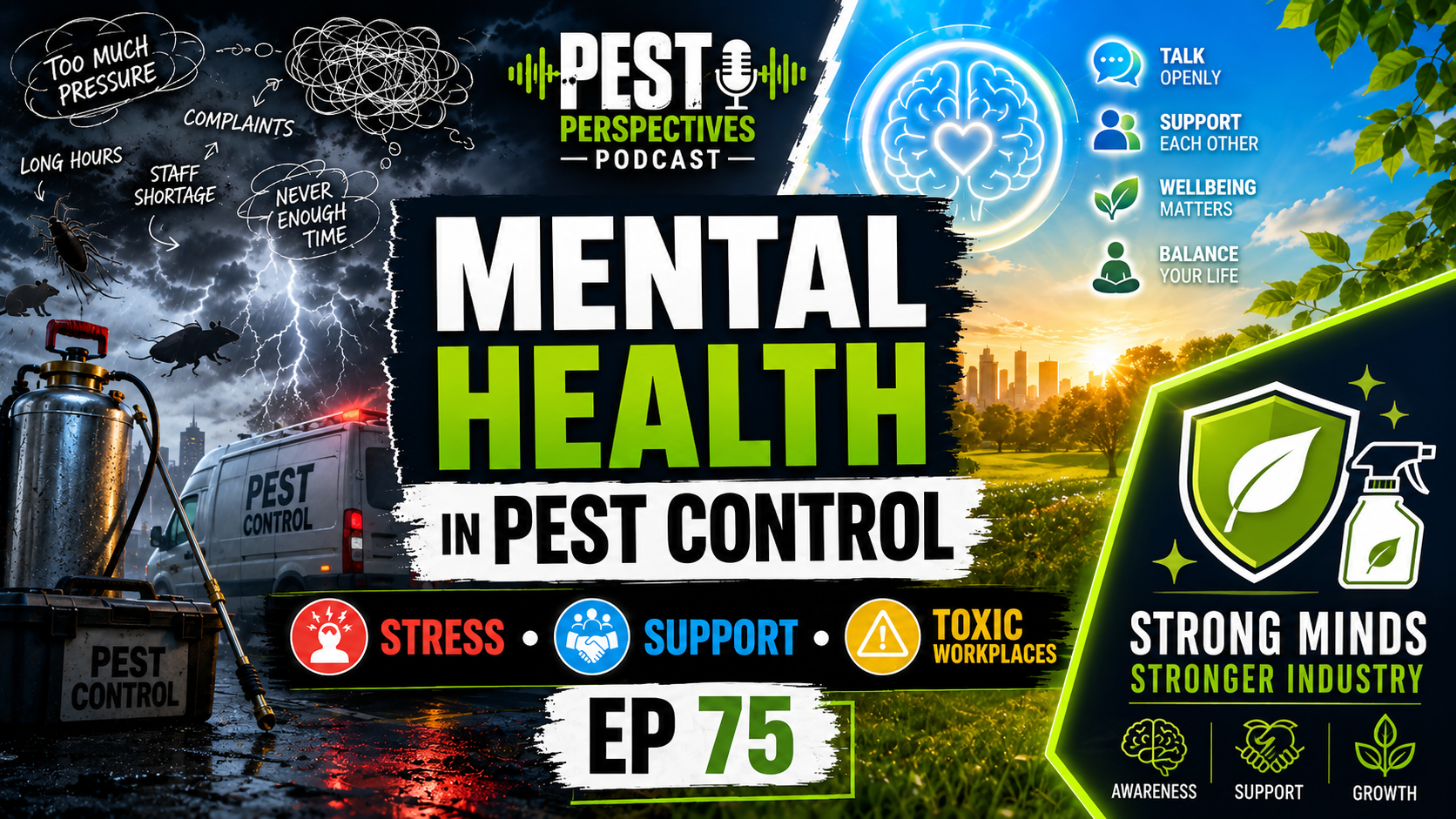
Mental Health, Burnout and Building Safer Workplaces: Key Takeaways from Episode 75
Key Takeaways
-
Positive mental health is different from the absence of mental ill health
Mental wellbeing exists on a spectrum. Someone can be free from diagnosed mental illness but still not functioning at their best. Understanding this distinction helps managers spot when someone is struggling before they reach crisis point. -
Presenteeism is a silent productivity and safety killer
When technicians show up to work but aren’t operating at full capacity due to stress, anxiety or personal pressures, it affects decision-making, communication, and crucially—safety when driving or handling hazardous products. This is often invisible to management until something goes wrong. -
Recognise the signs: changes in behaviour, communication and performance
Watch for withdrawal from team interactions, increased irritability, missed deadlines, or changes in how someone normally operates. These early warning signs give you the opportunity to offer support before burnout becomes severe. -
Workplace stress spikes are inevitable—recovery time is essential
Pressure is part of running a service business, but what matters is what happens after the spike. Without proper recovery and support, stress accumulates and becomes chronic. Build in realistic timelines and check in with your team after intense periods. -
Poor management is a primary driver of mental ill health
Unclear expectations, lack of communication, inconsistent leadership, and feeling undervalued create toxic workplace cultures. Investing in management training and creating open dialogue channels is one of the most direct ways to protect employee wellbeing. -
Create psychological safety so people feel able to speak up
Employees won’t disclose struggles if they fear judgment, job loss or being seen as “weak.” Leaders who normalise conversations about mental health, ask genuine questions, and respond with compassion build teams where people feel safe to ask for help early. -
Support should be proactive, not crisis-reactive
Waiting until someone is severely struggling means they’ve already lost significant time, productivity and confidence. Preventative approaches—regular check-ins, access to resources, clear support policies—are more effective and humane.
Ready to Go Deeper?
These takeaways scratch the surface of a genuinely important conversation. Listen to the full episode to hear Mark’s personal journey through burnout, his practical framework for building safer workplaces, and Shaun’s real-world perspective on managing a team in the field. This is essential listening for business owners and managers in pest control—and beyond.